











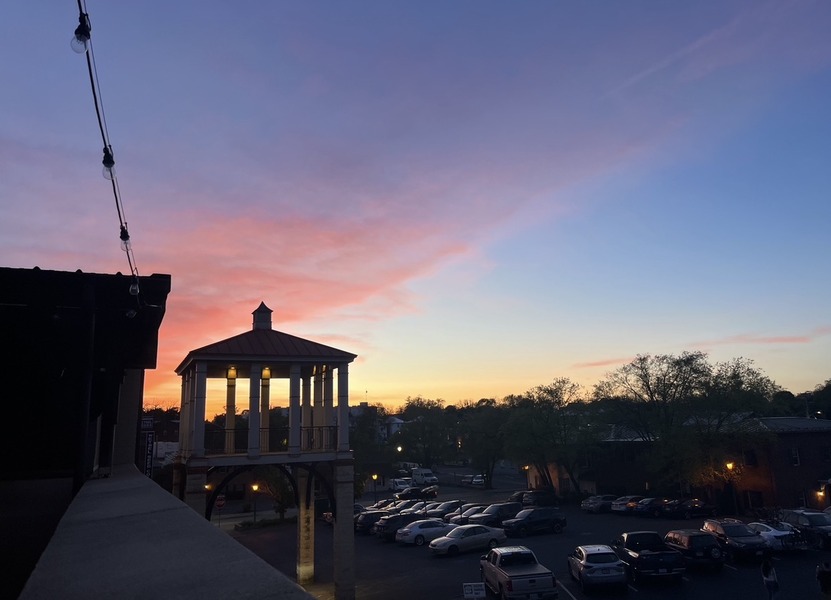
BRIDGEWATER, VA.– In downtown Harrisonburg, sidewalks fill with students, restaurants buzz and bars stay crazy late into the night. For some college students, it is a central part of their weekly routine. For others, it is a place they rarely visit.
“I think downtown Harrisonburg is one of the prettiest places I’ve ever been,” JMU student Riley Campbell said. “It has such a welcoming vibe with so many fun stores, and there’s just such a great community downtown where everyone just welcomes one another, and there’s always something fun going on.”
That feeling isn’t an accident but the result of years of planning and investment. Much of it is led by Harrisonburg Downtown Renaissance, a nonprofit organization focused on revitalizing and promoting the downtown area.
“Our overall mission is really just to support our downtown businesses and make downtown a thriving city center,” Director of Marketing for Harrisonburg Downtown Renaissance Emily Winter said. “You really want people to make really nice memories downtown and have that sense of hometown pride and community.”
Bringing downtown back to life
Downtown Harrisonburg has not always been the vibrant space it is today. According to HDR’s blog, the area once faced decline before revitalization efforts helped bring in new businesses, housing and events. Empty streets gave way to a community-focused city center where local shops, restaurants and cultural venues can thrive.
Today, downtown serves as a hub for community life where people gather for food, shopping and entertainment. The organization’s blog emphasized how these spaces encourage people to come together and create lasting memories.
For students like Campbell, that vision has become reality.
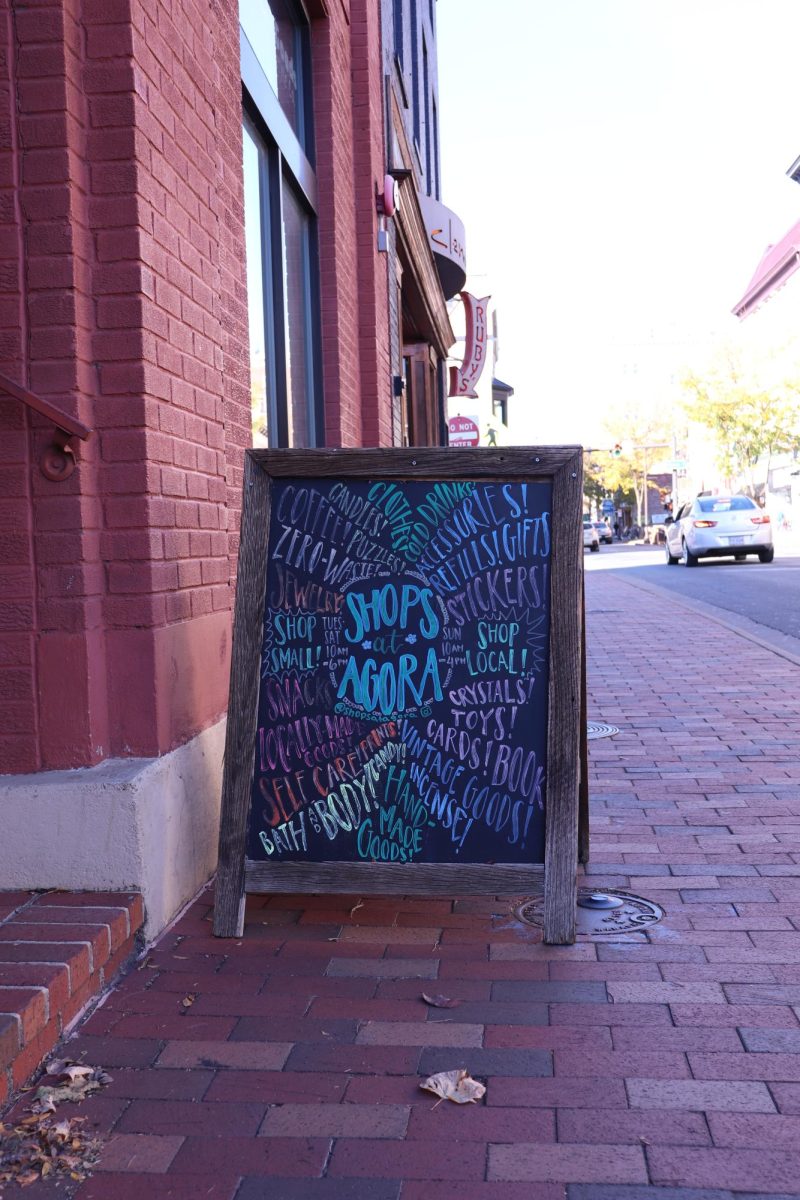
“I go downtown every weekend to go to the bars, and I also love to eat downtown,” Campbell said. “There are numerous great restaurants, and there’s a bunch of different boutiques. Like I said, I love to shop with my friends.”
Events play a major role in that experience. Large gatherings such as the annual Block Party introduce new students to downtown early in their college careers, encouraging them to explore local businesses and meet other students.
“A big player of how we get people into downtown is having these really cool events and things where people can interact and like to make those really cool memories,” Winter said.
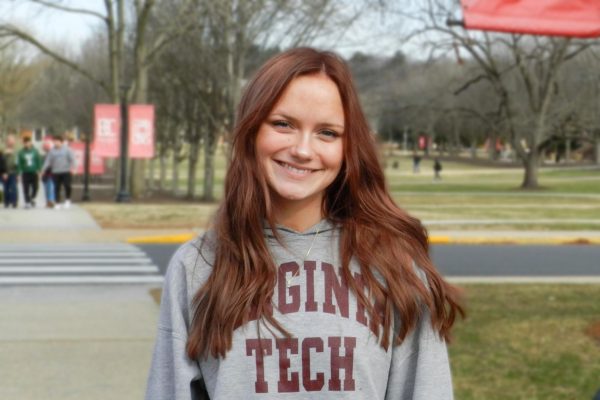
Downtown becomes an essential part of lots of students’ college life. For Bridgewater student, Kate Weaver, downtown offers a social outlet and a sense of belonging.
“A lot of it is about community, and everywhere you go you’re gonna see someone that you know, and I think that there’s something really comforting about it,” Weaver said.
Weaver said she visits downtown frequently, at least once or twice a week. She pointed to favorite restaurants that keep her coming back, such as Billy Jacks and Clementine.
“I mean if you’re gonna live around here, you’re gonna have to go downtown,” Weaver said.
Supporting businesses and beautifying streets
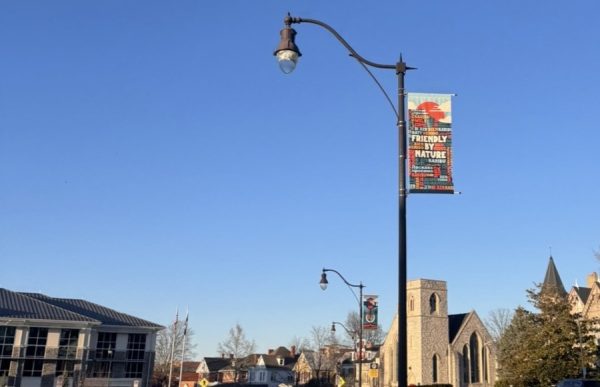
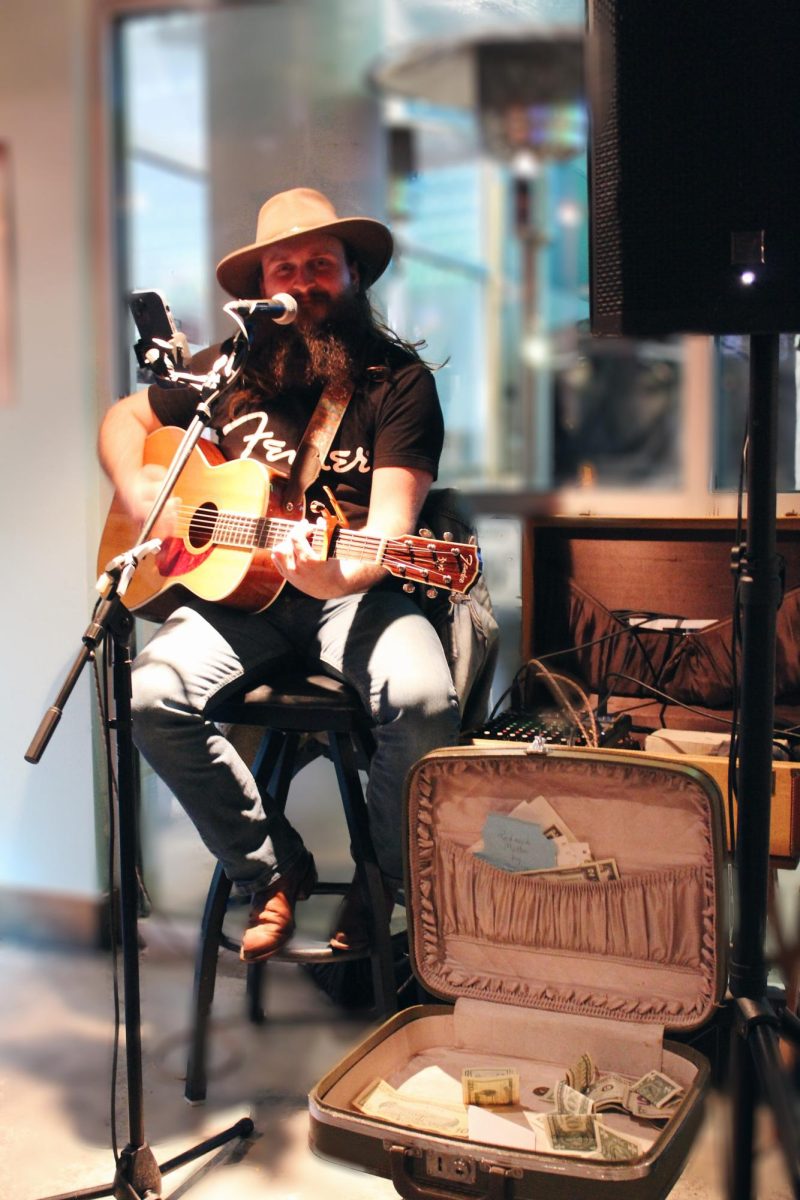
HDR’s work goes beyond events. The organization supports local businesses through grant programs which help businesses fund marketing campaigns, expand patios or host small performances to draw visitors.
“We also do some small business assistance, and then we like to just try to make downtown beautiful and special,” Winter said.
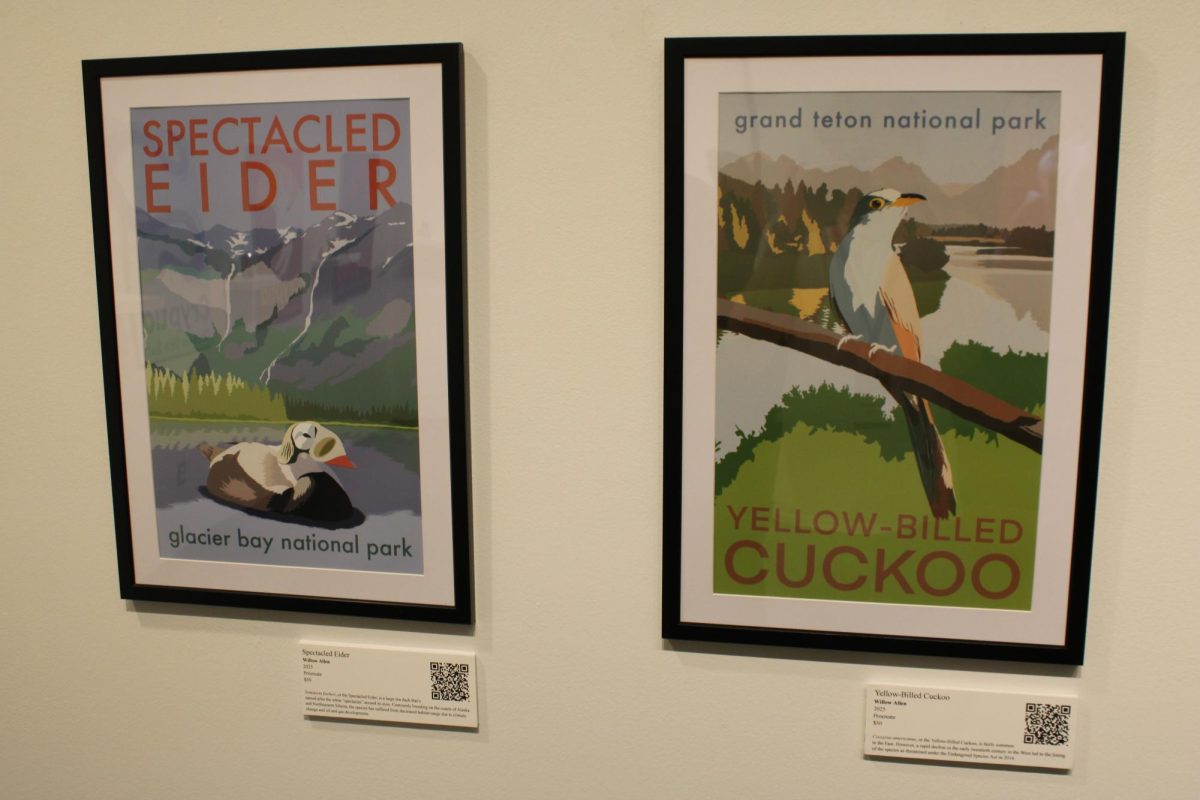
The nonprofit also works with local partners including the Arts Council of the Valley to fund beautification projects. Recent initiatives include artist-designed traffic control boxes and banners around downtown streets designed to make public spaces more colorful and inviting. These collaborative efforts help maintain downtown.
Why some students stay away
While many students love downtown others feel disconnected from it.
“Honestly, I don’t even go, I just find it not my first place of choosing to go,” JMU student Holly Jacobs said.
Jacobs said cost and accessibility are major factors shaping her perspective.
“I just feel like everything down there is just kind of overpriced for a typical college student like me, and I just think that there’s always lines for everything social wise you want to do,” Jacobs said.
Jacobs added that she prefers other parts of the city, explaining that while downtown has some decent restaurants, she believes there are better dining options, attractions, and experiences like vineyards in other areas.
Her experience highlights a divide among students, reflecting differences in budget, interests and expectations.
Opening downtown to all
Despite those mixed perspectives, students remain a big focus for HDR.
“So I help market downtown as a whole to a lot of different audiences, for college students, who are a big audience for us because of where we are,” Winter said.
HDR also works to make events inclusive, offering programs for all ages and abilities. For example, fall festivals feature sensory friendly areas, pet parades and costume contests with different age brackets. Summer concerts include activities for families, teens and adults. Winter said these efforts are designed to create a welcoming environment for students and community members.
“We definitely try to keep all of our events really open to anybody,” she said.
Winter believes that stepping off campus is an important part of a full college experience.
“I think a lot of people are not from this area, but really getting out into the community, I think, is a really important part of a college experience and really understanding what is around you rather than just like on campus. I think it just adds to your experience as a college student,” Winter said.