
































BRIDGEWATER, Va. –When an international student first sets foot on Bridgewater College’s campus, everything is unfamiliar. The different air, the students chatting in the dining hall, and the American snacks in the Eagle’s Nest café are all new to these individuals.
Challenges of Adjustment
International students arriving at Bridgewater each semester carry not just luggage but layers of uncertainty. They face language barriers, cultural differences, and the quiet pain of being thousands of miles away from home. Over time, those challenges turn into stories of resilience that now shape the heart of Bridgewater’s global campus.
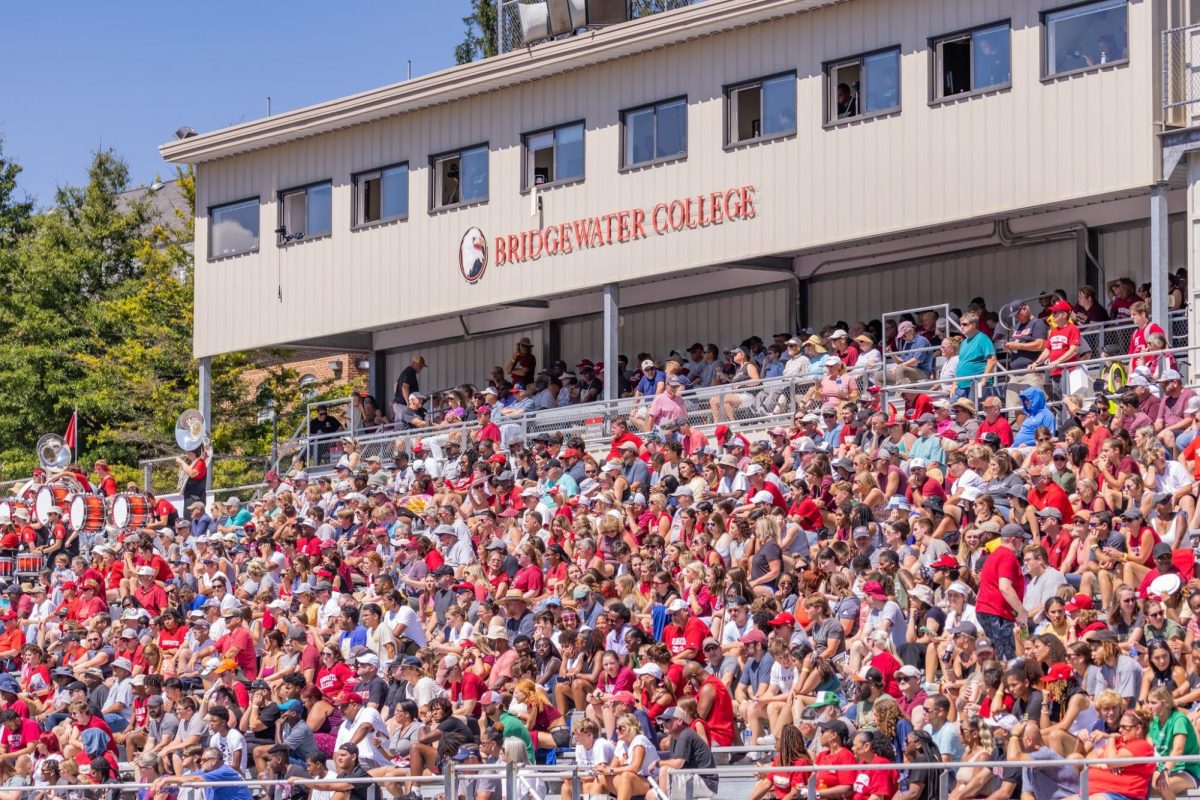
Bridgewater College, a liberal arts school in Virginia’s Shenandoah Valley, is home to students from many countries.

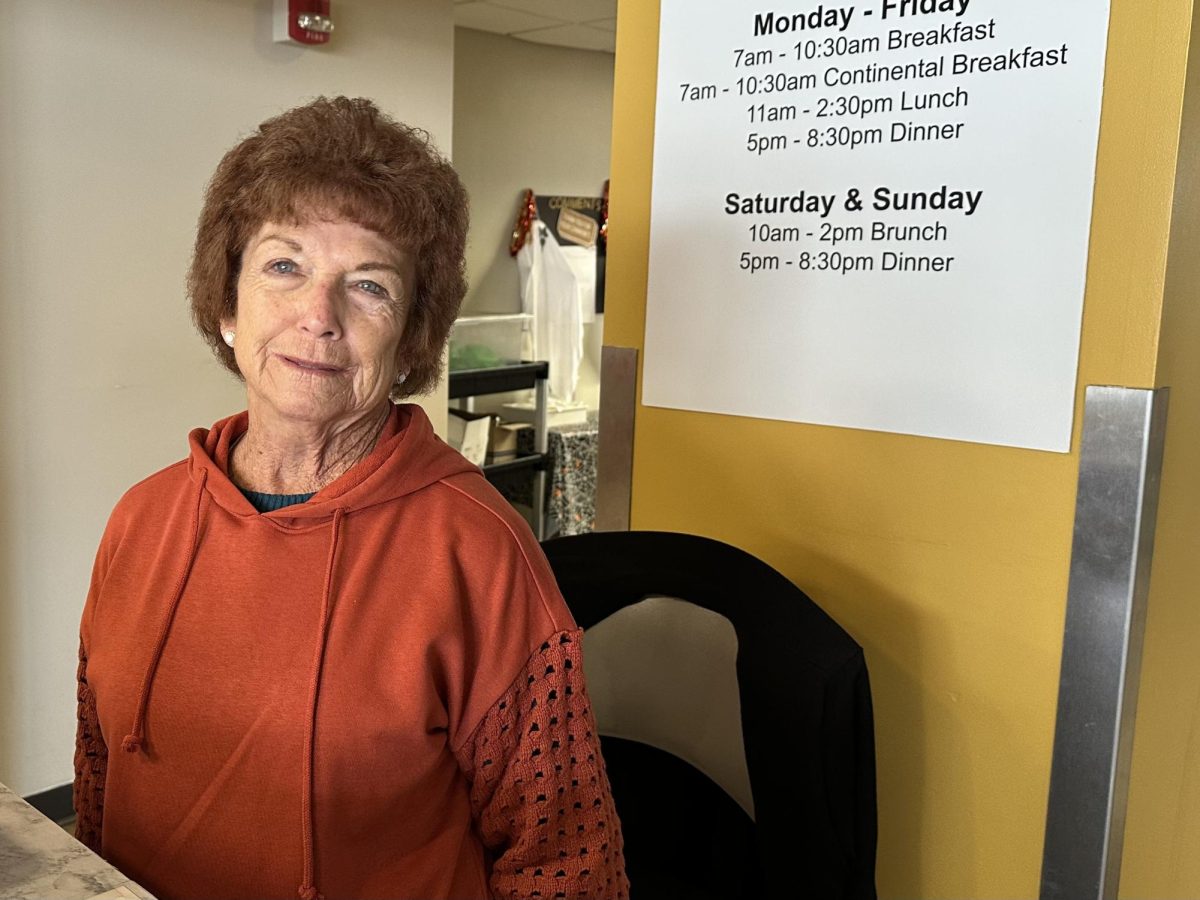
“There are 20 countries represented among our 40 F-1 international students,” said Anne Marsh, the director of International Student Services.
According to NAFSA’s preliminary 2025 Economic Impact Snapshot, international student enrollment in the U.S. for the 2024–25 academic year was estimated at 1.18 million students, which is a 5 percent increase from the 1.13 million students in 2023–24. Despite this growth, international student enrollment in the U.S. is projected to drop by 15% in 2025–26, as new visa restrictions, processing delays, and geopolitical tensions make studying in America less accessible.
Support and Guidance
For international students, college life is not only about academics but also about building a home in a place that once felt foreign. The first few weeks are often the hardest. Some students describe their early days as a blur of introductions, new routines, unexpected culture shocks, and figuring out the dining hall options.
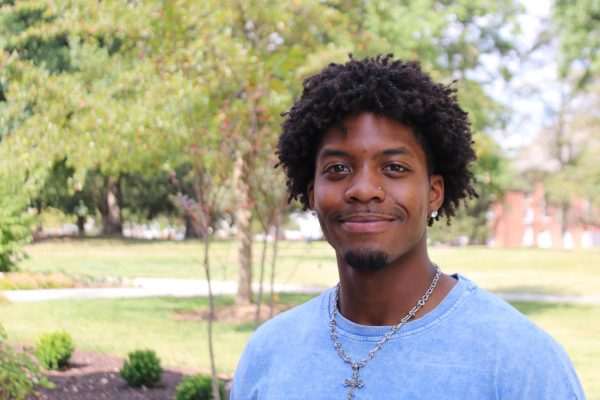
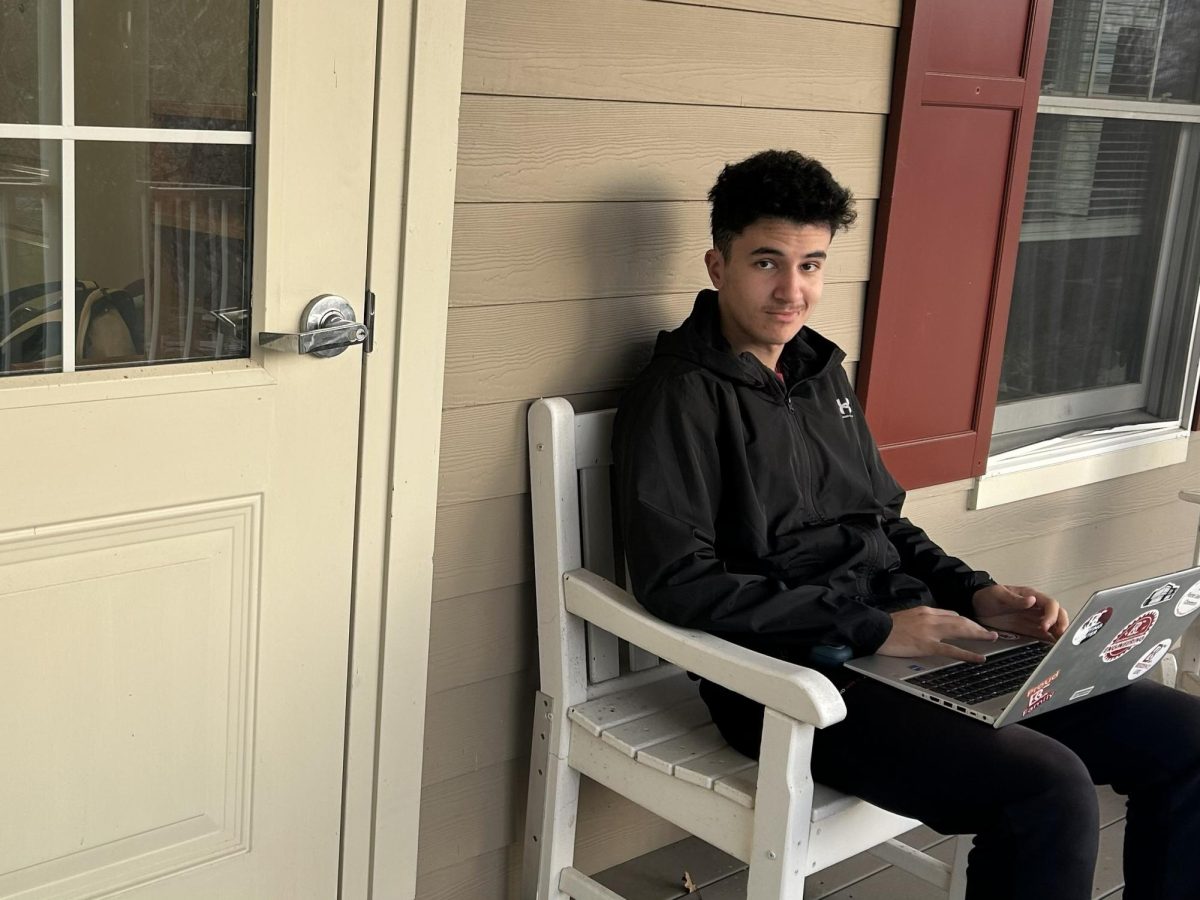
“I was amazed my first day here,” said Nasser Binoi, a junior from Morocco. “The campus was beautiful, everything was clean, and people were so nice to me.”
According to Marsh, Bridgewater’s Office of International Student Services helps ease that transition. The office hosts welcome orientations and connects new arrivals with the Global Ambassadors Program.
“My job is to help students understand their visa regulations and all the requirements that come with studying in the U.S.,” Marsh said. “I try to be an advocate for them and support them as they navigate everything from health insurance to cultural adjustments.”
Through these programs, students find not just practical help but also emotional support.
“They picked us up from the airport, showed us our dorms, walked us through everything,” Binoi said. “When you’re in a new country and still getting used to English, that help means a lot.”
Friendship and Belonging
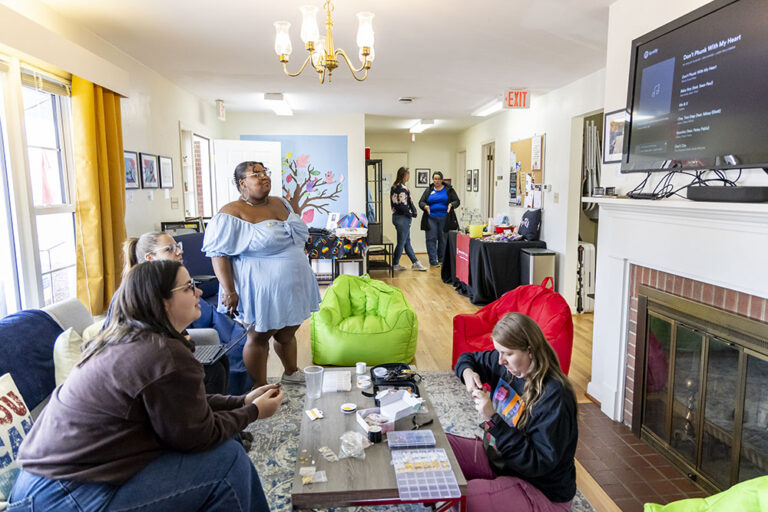
For some students, friendship is the turning point that makes Bridgewater feel like home. Joining clubs, sports, or cultural organizations helps break down barriers and create a sense of belonging.
“I surrounded myself with friends I absolutely adore,” said Safalta Shrestha, a student from Nepal. “One day I just woke up and realized this is home.”
“Some students have never been on a plane before coming here, while others arrive with established networks,” Marsh said. “But for many, the biggest challenges are homesickness and adjusting to being in a fully English-speaking environment 24/7.”
Even as students settle into their new routines, technology helps them stay connected to family and friends back home. Binoi relies on video calls, messaging apps, or social media to communicate over distances.
“I call my mom once a day,” Binoi said. “It keeps me connected, especially when I’m stressed or feeling homesick.”
Technology does more than ease homesickness. It also supports students’ emotional well-being. A 2025 study in Nature Human Behavior found that using everyday digital communication tools can strengthen emotional stability and social connection for people living far from home. Beyond social life, adjusting to a new academic system can be just as challenging. Classroom discussions, participation grades, and citation rules often differ from what students are used to in their home countries.“What surprised me most is how chill everything is,” Shrestha said. “You can wear whatever you want, and professors are so flexible. It took me a while to adjust.”
Marsh offers orientation sessions, peer tutoring, and one-on-one advising to help international students learn how to navigate U.S. academic expectations with confidence.
“Professors here really want to hear what students think,” Marsh said. “For many international students, the participation and daily homework are very different from what they’re used to, but they adapt quickly and many of them truly flourish.”
Enriching Campus Life
The presence of international students benefits not only those who come from abroad but also the entire Bridgewater community. According to a 2024 report from Inside Higher Ed, campuses with higher international enrollment often see greater cultural awareness, innovation, and collaboration among domestic students.
“Our international students are incredibly motivated,” Marsh said. “They bring perspectives that enrich campus life, whether it’s through cultural events, classroom discussions, or leadership roles.”
Through shared meals, mentorship, and mutual understanding, Bridgewater College’s international students are not just surviving; they are thriving. Each story of adjustment and success adds a new thread to the college’s community, reminding everyone that home is not always where you start but where you grow.
“You’ll always find a home here,” Shrestha said. “They’ve really built a strong community for international students.”