































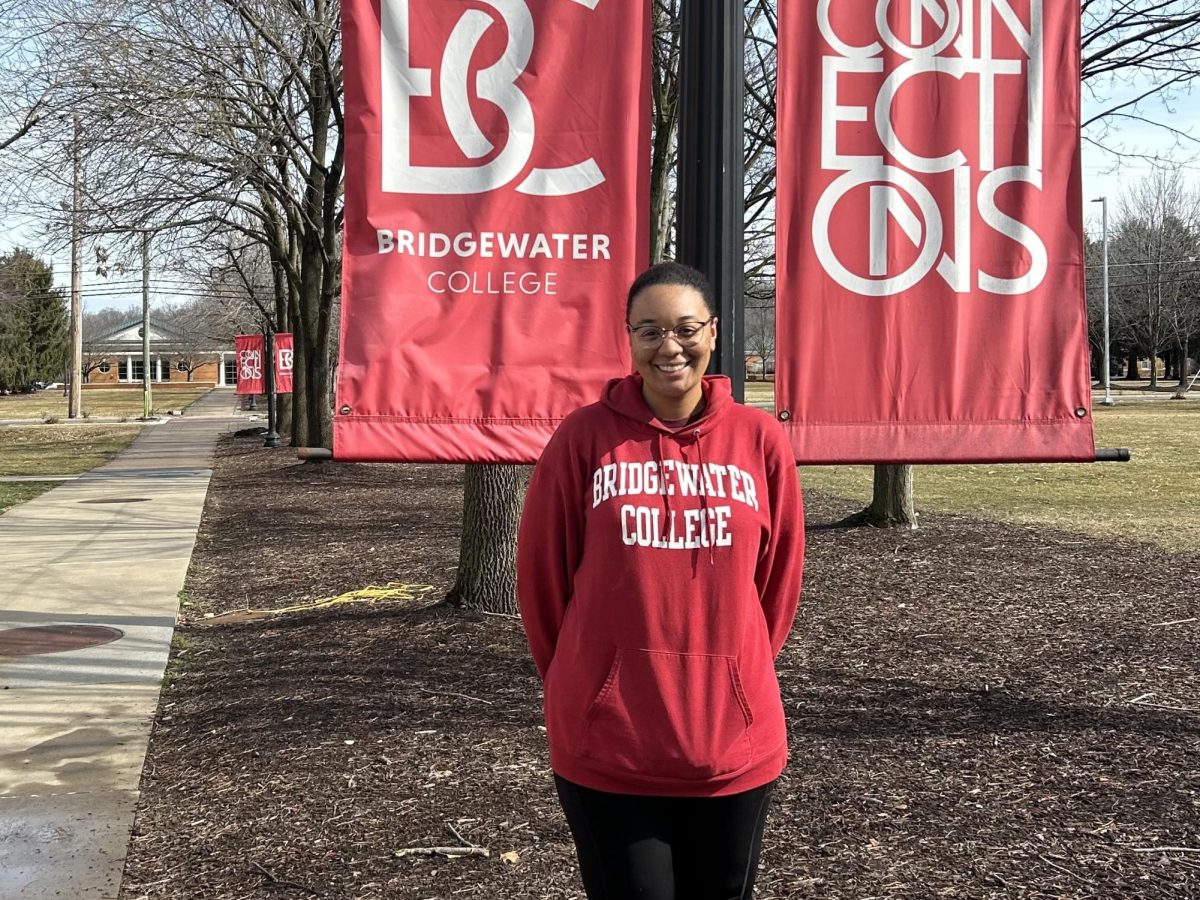
BRIDGEWATER, Va. – Senior Kendra Arbogast remembers the moment that she was accepted into Bridgewater College.
“Simply put, my mom cried,” Arbogast said.
Arbogast remembers this moment so well because the day that she paid her deposit to come to Bridgewater, her aunt came over and had a party to celebrate this monumental moment in her life.
“It is something that you only see in movies, but actually living in it and walking in those shoes was eye opening and I’m so thankful for the support system that I had during that process,” Arbogast said.
Arbogast is a first-generation college student like 37% of the Bridgewater College student body. According to First Gen Forward, in the 2025-2026 school year 54% of students enrolled at universities are first-generation students, or around 8.4 million students nationwide.
While all students can find college challenging, first-generation students can have unique difficulties navigating college life.
Challenges of first generation college students
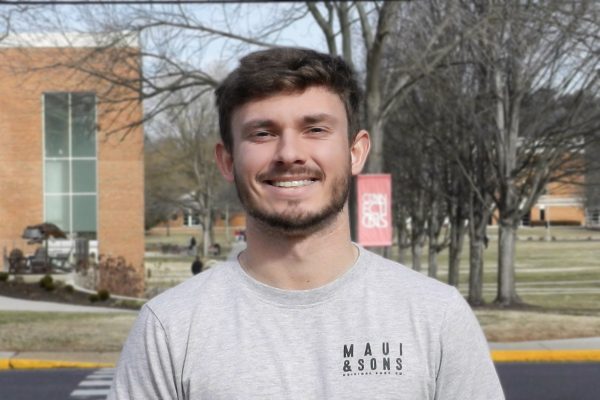
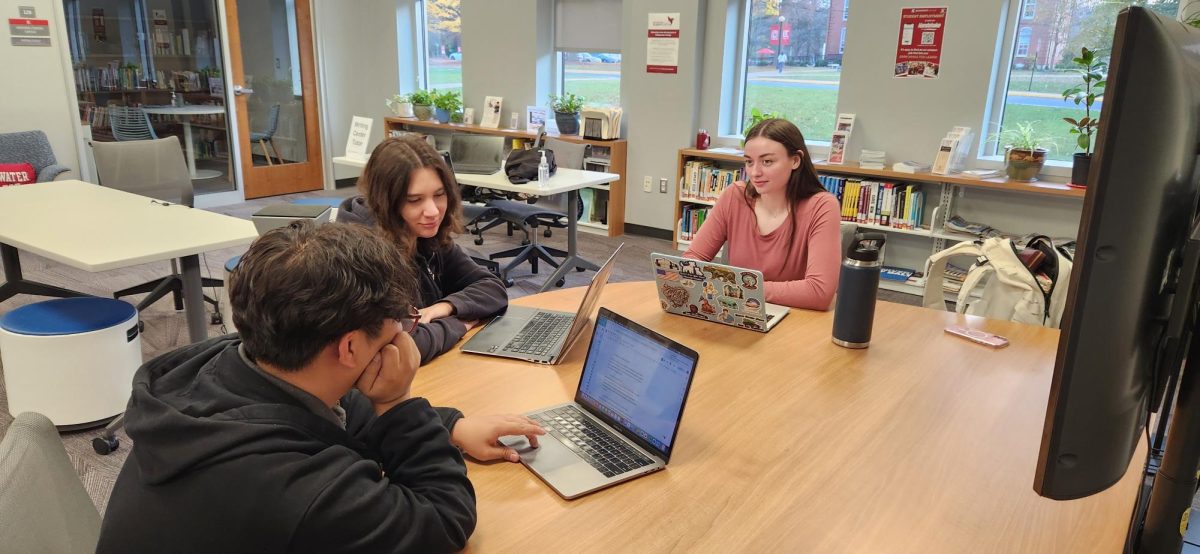
Sophomore Landon Galyean spoke about some challenges that he has faced while being a student at Bridgewater College.
“When I seek advice from people close to me and they don’t have the advice I am looking for, it is hard,” Gaylen said.
A recent study done by the Journal of College Student Retention concluded that first-generation college students have a hard time reaching out to others for help.
The study concluded a couple of reasons why first-generation college students don’t reach out for help.
One reason is that the student may not perceive that problems exist, or they may underestimate the problems’ severity, thus resulting in a fear of reaching out for help or simply not knowing that they need help.
A further cause of not reaching out for help is that students will not seek help until they perceive a tangible need, this is often late in the semester after receiving several low grades.
When students reach this level, the study concluded that the student tries to figure the problem out on their own instead of reaching out for help.
Junior Brendan Hartley said that it is hard to reach out to family because they don’t know how to help with certain things, such as classes and day-to-day schedules, since they have never been through the processes themselves.
In a similar study done by the Journal of College Students and Mental Health they sought to find the relationship between help-seeking attitudes, social support and perceived discrimination among first-generation college students.
The study concluded that first-generation college students believe that others will negatively judge them when using services. This is known as a social stigma.
The study stated that even if students feel the need to use services to help with their college needs, they will avoid reaching out due to social stigmas.
Gaylen says that a lot of stress comes with being in college and that it is hard to not be able to lean on those that are close to you because they simply don’t know what you are going through.
Bridgewater College helps first-generation students
Associate Dean for Academic Affairs Robert Hammill challenges BC counselors to recognize where the student is coming from, what their background is and what their needs are.
Hammill says that no matter what school you attend as a first-generation student, it is still confusing, but Bridgewater offers summer orientations and soar mentors to help navigate the campus in an effective way.
Because of the stigma first-generation college students feel, singling them out would not be an effective strategy, but those who attend summer orientation learn what’s expected of college students and what resources are available through Bridgewater College.
“We want the transition to be as easy as possible,” Hammill said. “ Do we have certain limitations, of course. Again, every student is unique in their own way but we want to do our best to acknowledge those limitations and meet the students needs.”
“When I first got here as a first-year, I was blown away with what resources Bridgewater College had to offer me, ” Arbogast said.
Arbogast said that Bridgewater helped her get in connection with Bridgewater students who had been in her shoes a couple of years ago. This helped ease the stress of college because she felt like she wasn’t doing college alone.
“My professors were so helpful because they made me feel like my voice was heard and that really meant a lot to me,” Arbogast said.
Hammill stated that Bridgewater College has the resources that students need to feel heard, it is simply up to the student to take advantage of the resources provided. Bridgewater has highly trained advisors and counselors for students to have their voice heard.
“We want students to understand that they have resources on campus that can help them in their day to day life,” Hammill said.
Arbogast said that the second she stepped on campus it felt like home. Her professors and the connections that she has built over the years at Bridgewater is something that she said she will always hold close to her heart.