






































BRIDGEWATER, Va. – Patricia Heberer Rice told a Bridgewater College audience on Feb. 24 that the Nazi regime’s “euthanasia” program, which began in 1939 and systematically targeted individuals with physical and intellectual disabilities, established methods and structures later used in the “Final Solution,” the campaign of mass extermination that began in 1941 and led to the systematic extermination of Europe’s Jewish population.
Rice, a senior historian at the United States Holocaust Memorial Museum, explained the program – commonly referred to as the T-4 program – operated from 1939 to 1945 and authorized the killing of disabled patients living in medical institutions across Germany.
According to Bridgewater College’s news release, the “euthanasia” program resulted in the deaths of 300,000 disabled patients throughout medical institutions in Germany during WWII.
Rice explained that the program relied on physicians and officials who reviewed patient records and identified individuals considered “unfit” under Nazi ideology. Many victims were selected without being examined in person, with doctors evaluating written medical files to determine whether patients would be marked for death.
She said patients were often transferred from hospitals to specialized killing centers, where they were executed through methods of lethal injection, starvation and gas chambers. Families were frequently misled about the deaths of their relatives and received falsified death certificates that concealed the true cause of death.
Rice also noted that the program served as a testing ground for methods later used in the Holocaust. Gas chambers and cremation systems developed during the T-4 campaign were later adapted for use in Nazi extermination camps, and personnel involved in the program went on to work in killing centers such as Belzec, Sobibor and Treblinka.
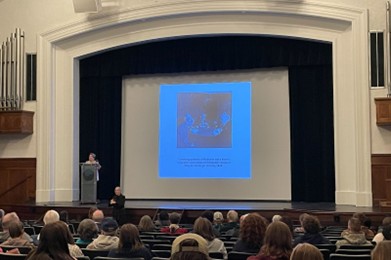
The talk, held in Cole Hall, was presented in recognition of International Holocaust Remembrance Day. The event was open to the public and had been rescheduled from an earlier date due to weather.
The event drew students, faculty and members from the Bridgewater community. Their reasons for attending varied.
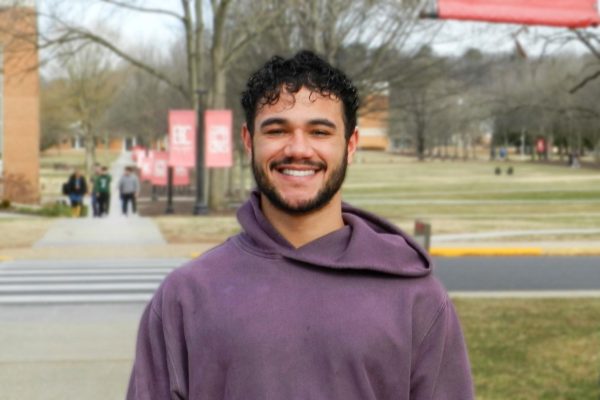
“I went to this lecture as an extra credit assignment for my World War II class,” Bridgewater College student Macy Harris said.
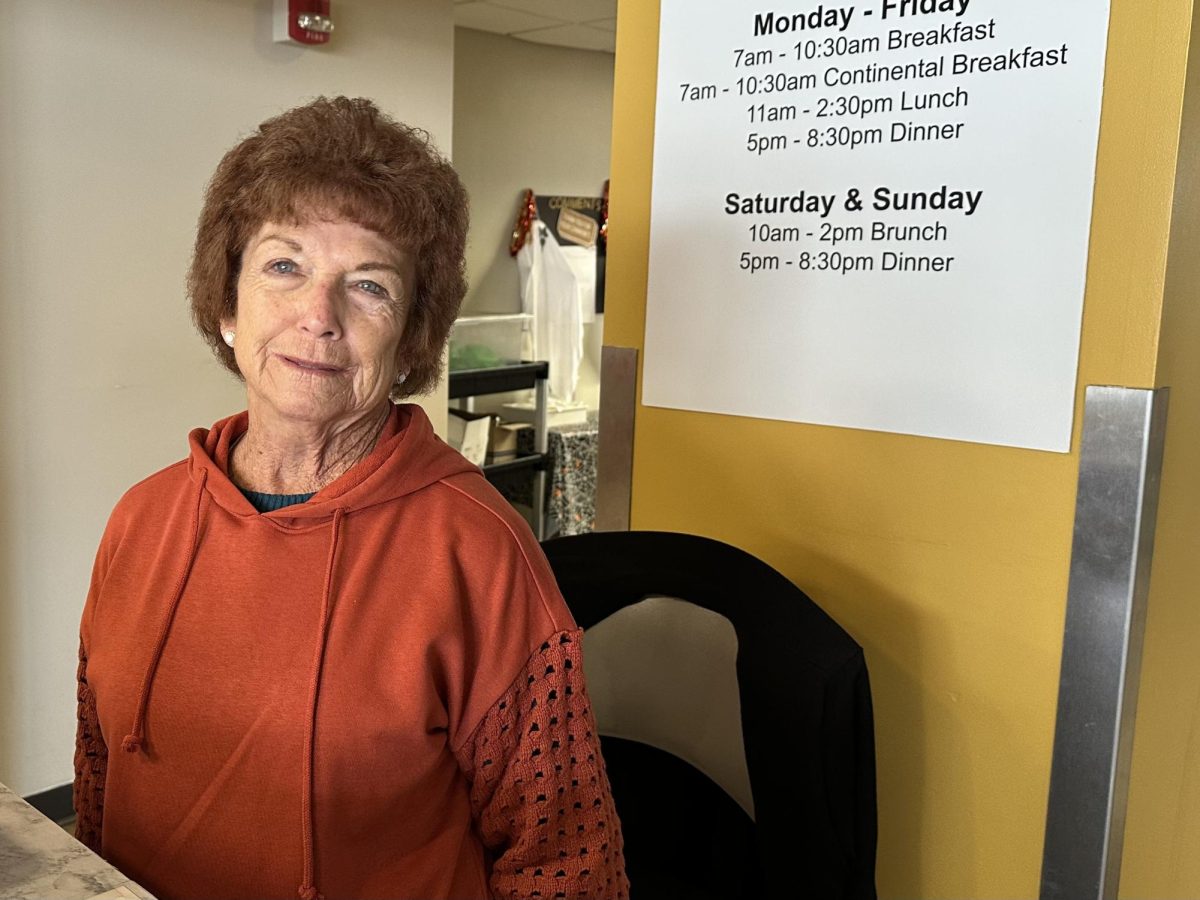
Bridgewater Retirement Community resident Rose Wells said she heard about the event through posted announcements at her facility.
According to the United States Holocaust Memorial Museum website, International Holocaust Remembrance Day holds importance as the anniversary of when Auschwitz was liberated by the Soviet Union, honoring the millions of victims who suffered at the hands of Nazi persecution.
During her presentation, Rice discussed the structure and impact of the T-4 program, emphasizing that victims remain largely unidentified in historical and medical records.
“The victims, though silenced, still have a voice,” Rice said.
“It was very informative,” Harris said. “It was sad, but it’s reality. We learn from our mistakes in history so we don’t repeat them again.”
Wells mentioned she enjoys coming to events like this at Bridgewater. They provide opportunities to learn about important topics, even when they are uncomfortable.
“It’s hard to hear these stories,” Wells said. “But it’s good for us. You don’t want to repeat history. Particularly in these times when we’re concerned about genocide happening in various parts of the world. It’s just interesting to know that this is not anything new.”
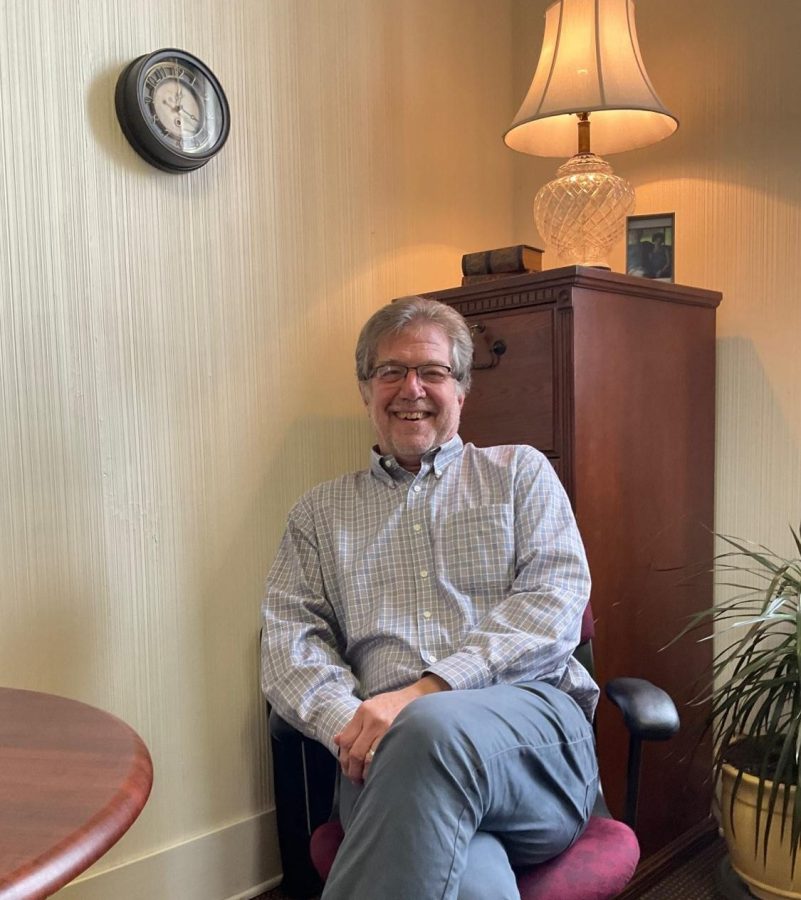
Dr. Martin Kalb, Associate Professor of History, who helped coordinate the event, said Holocaust education is important for raising awareness and encouraging a broader understanding of this period and its continued relevance.
Kalb said this particular talk expanded the conversation beyond antisemitism to include other victimized groups.
“We did conversations about antisemitism,” Kalb said. “To think about the Holocaust, not just as the mass murder, the persecution of Jews, but also others when it comes to that.”
Kalb said discussions like this remain relevant as students and community members continue to seek a deeper understanding of Holocaust history and the topic of genocide.
“All of these topics are timely when it comes to conversations we’re still having,” Kalb added. “Students not being aware, or the community, or people just wanting to learn something.”
As the talk concluded, attendees left with a deeper understanding of Nazi “euthanasia” and the T-4 program and its place within the broader history of Nazi persecution. Serving as a part of the college’s ongoing efforts to engage students and community members in conversations about history and remembrance.