














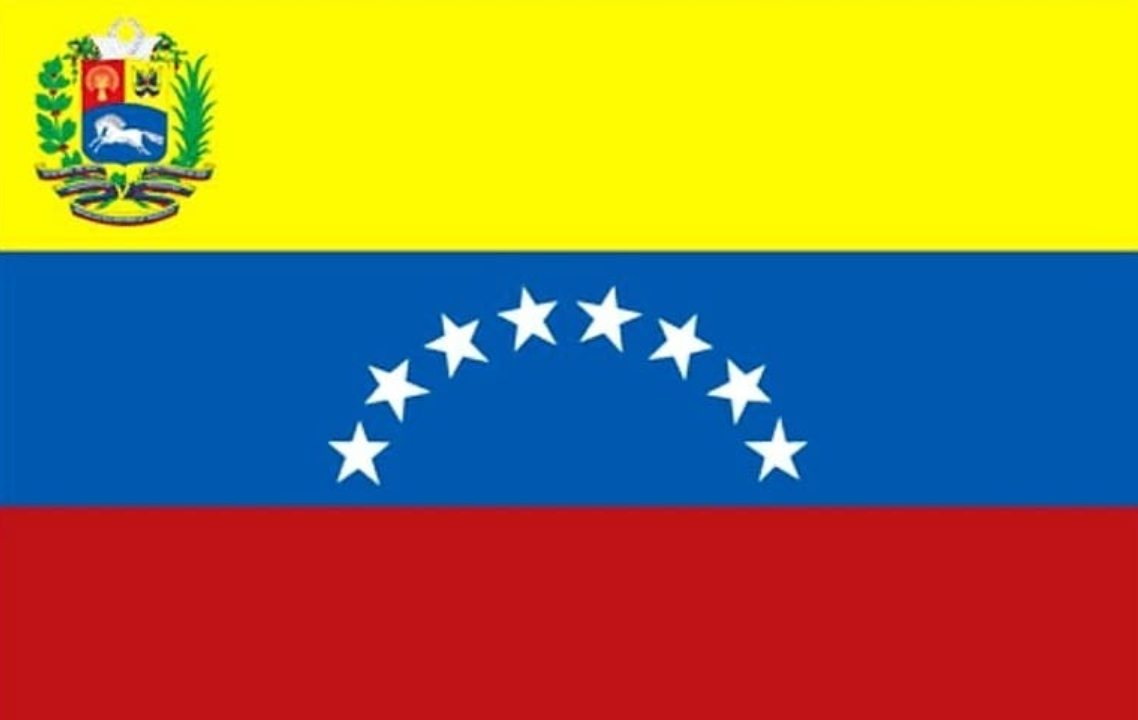
BRIDGEWATER, Va. – On Saturday, Jan. 3, United States Military forces took part in a large-scale military operation resulting in the capture of Venezuelan President Nicolas Maduro and his wife, Cilia Flores, in Caracas, Venezuela, according to Time Magazine.
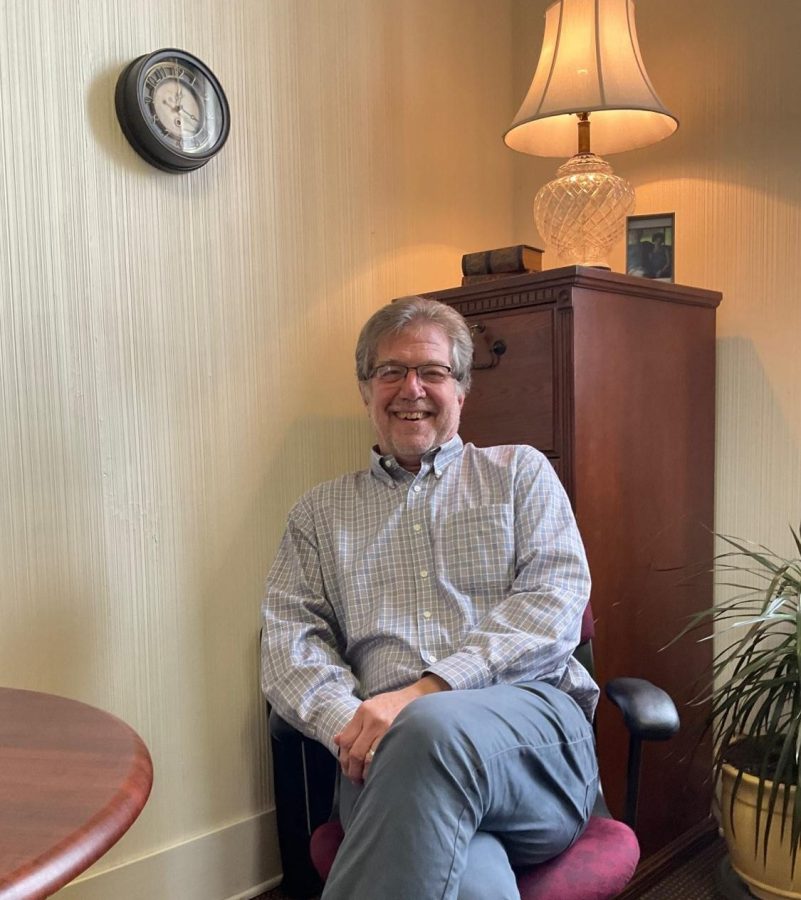
Even with Maduro in U.S. custody, citizens fear their authoritarian system will remain, according to Kevin Pallister, a Bridgewater College associate professor of political science.
Maduro has been the President of Venezuela since 2013 and has shown many signs of corruption while in charge, according to the U.S. Department of State, such as declaring victory in both the 2018 and 2024 Venezuelan elections.
According to a Reuters.com poll, one in three Americans supports President Trump’s decision in the capture. Reuters stated that the administration had previously indicated that it planned to focus on the domestic economy.
“Because of previous engagements in Afghanistan and the Middle East that have kind of gone wrong for Americans, people are kind of wary of being invested in a foreign country,” Jory Cardoza, senior political science major at Bridgewater College, said.
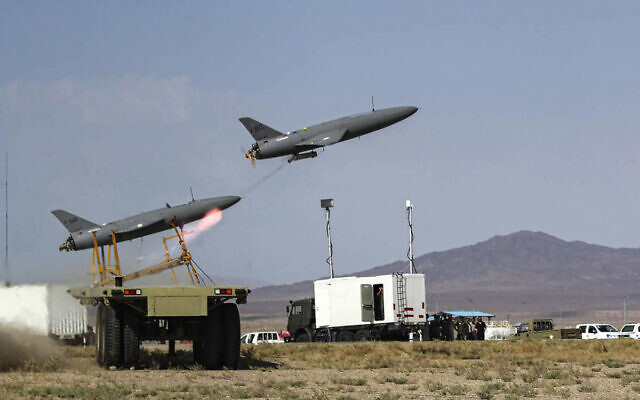
According to the U.S. Department of War, the mission titled Operation Absolute Resolve came after months of planning and joint U.S. military rehearsals between special operations forces and other service branches.
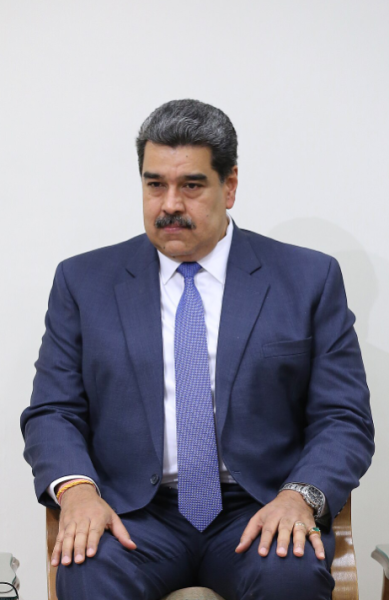
According to Visual Capitalist, Venezuela holds the world’s largest proven oil reserves, a resource President Trump said he intends for the United States to control, as shown in a video of him speaking on Rev.com.
“He wants to take control of their oil reserves because it’s estimated they have the most out of anyone in the world,” Cardoza said, “It could be economically beneficial for the United States.”
The capture followed deportations of Venezuelans from the U.S that the Trump administration carried out under the authority of the Alien Enemies Act of 1798, which permits a sitting U.S. president to detain or deport citizens or nationals of an enemy country during times of conflict, according to the Brennan Center.
“They tried to use this early in the administration last year to deport Venezuelans and others, but they were basically blocked by the courts that said we’re not at war, so there is no legal basis for using this law for these deportations,” Pallister said.
Many countries have expressed their approval of President Trump’s decision, such as the U.K. Prime Minister Keir Starmer, stating his government will “shed no tears,” according to BBC News.
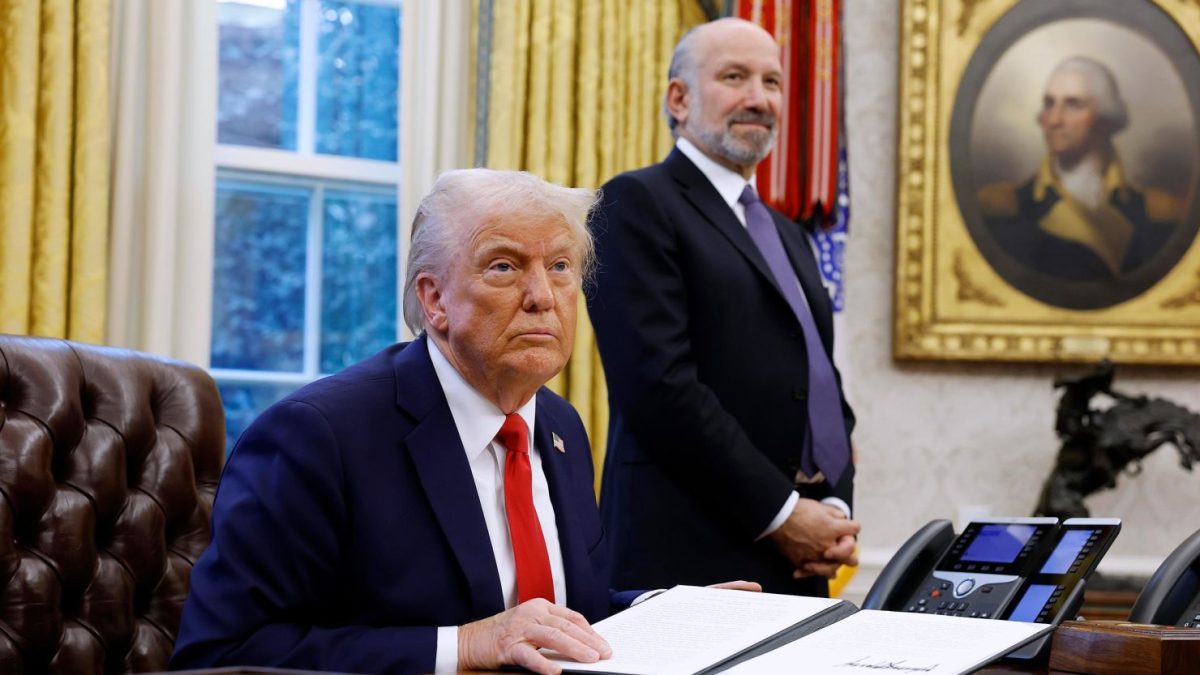
“We’re there now, but we’re going to stay until such time so the proper transition can take place,” President Donald Trump said in a post-capture press conference, as reported by PBS News.
Delcy Rodriguez, the Vice President of Venezuela, who has been a loyal political figure for Maduro and has now been sworn in as president of the country, has spoken against the U.S. involvement in their politics, according to Fox News.
“The Venezuelans in Venezuela are very cautious and wary about the possibility that they are going to be left with the same government in place, but just with their president no longer there,” Pallister said.
The capture of Maduro has thrown the country’s political landscape into a state of uncertainty, according to The Council on Foreign Relations.
Maduro’s authoritarian rule included economic collapse, such as hyperinflation and massive debt, according to the Miami Herald.
The capture opened space for political figures who had been silenced under Maduro’s rule, such as Maria Corina Machado, a Nobel Peace Prize winner who spent more than a year living in hiding under his government. After news of Maduro’s capture, Machado wrote on social platform X that “the hour of freedom has arrived,” signaling a hope among opposition supporters for a democratic transition, according to The Hill.
Other opposing figures, such as the imprisoned activists and journalists Venezuela has started to release, see the moment as an opening for democratic renewal, according to PBS, but they face the challenge of rebuilding a government that has been overthrown by Maduro’s authoritarian governance.
Pallister said the good news is they are releasing political prisoners in Venezuela, however there are still hundreds of political prisoners they have not released.
With former Vice President Rodriguez as the acting President, and many of Maduro’s loyal political figures still holding government positions, changing the style of leadership and future elections will be challenging, according to NBC News.
Internationally, the capture has strained relationships with United States Allies such as Brazil, where President Luiz Inacio Lula Da Silva stated the United States crossed, “an unacceptable line,” according to Spectrum Local News.
Meanwhile, the United States has taken steps to establish power in Venezuela, although there are no U.S. troops currently in Venezuela. President Trump’s cabinet has stated they are committed to waiting for congressional approval to send troops to Venezuela, according to Military.com.
Economically, Venezuela’s oil industry has become a strategic asset, with the United States already receiving 30 million barrels of oil, according to the White House.
Pallister said the capture of Maduro will be a symbol of intimidation to nations around the world, a development he believes students will be watching closely as the situation unfolds.