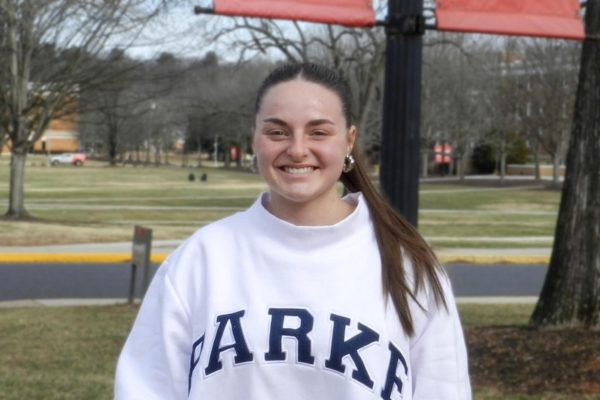





























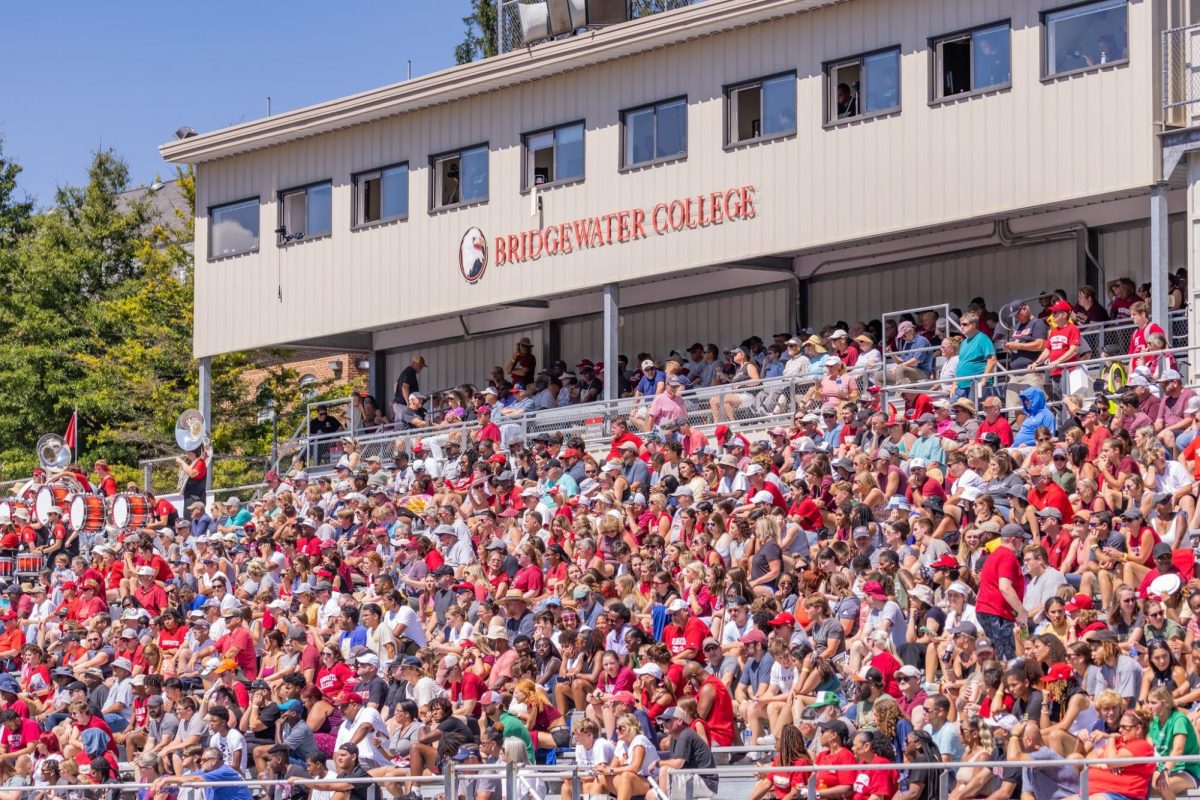
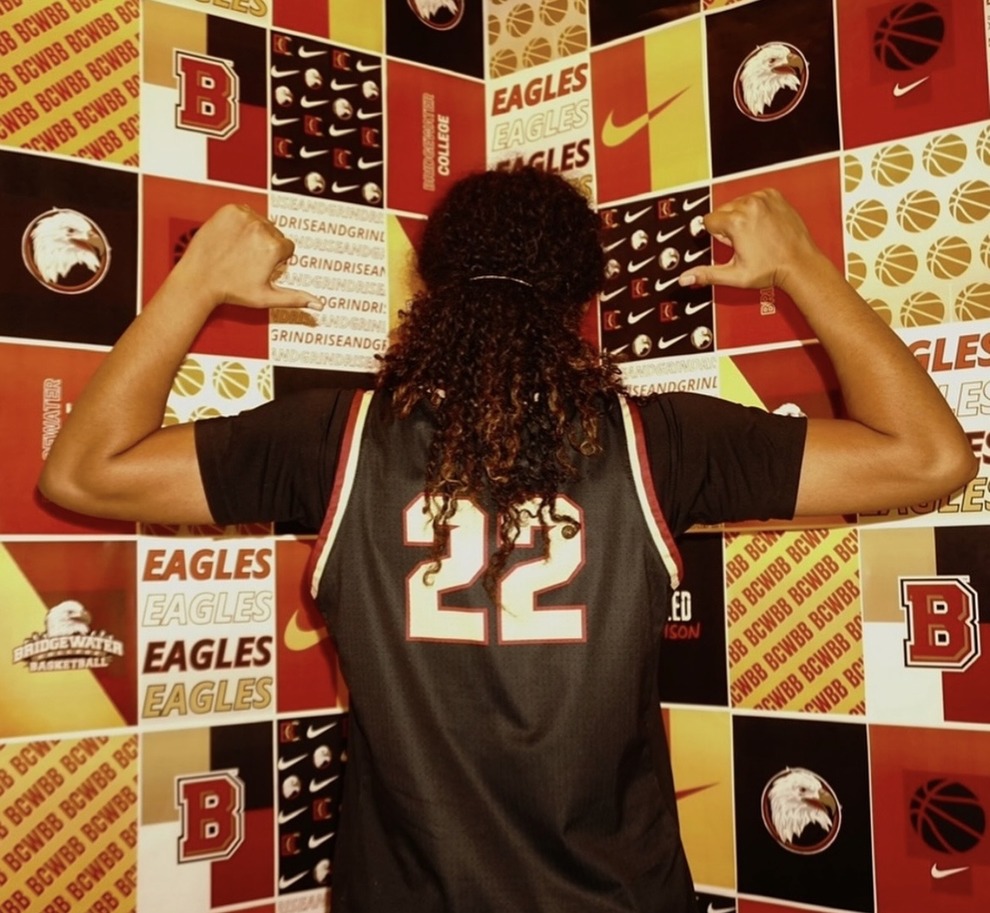
BRIDGEWATER, Va. – A seat in the back row of the WBCA Convention classroom during the Final Four weekend might not look like the place where a coaching career begins, but for many young women in basketball, that’s exactly where the shift happens. For Bridgewater College senior Jay Garcia that moment is coming fast. She’s one of roughly 60-70 players nationwide selected for the Women’s Basketball Coaches Association’s “So You Want To Be A Coach” program, an intensive, three-day convention designed to turn former athletes into the next generation of leaders on the sidelines.
According to the NCAA Demographics Database, only about 44 percent of women’s college basketball teams are coached by women, a number that has barely shifted in more than two decades.
The program sits at the center of a growing movement in women’s basketball to build a stronger, more diverse pipeline of female coaches. It’s an issue that shapes the future of the sport, influencing who gets hired, who gets mentored and how many women advance into leadership roles. For players like Garcia, the program represents both a professional and a personal turning point.
A first step towards the whistle
“I’ve always had good coaches in my life, and they’ve always made the biggest impact on me,” Garcia said. “I’ve always known I wanted to be a coach and make that same impact for other people.”
Her path to the WBCA program started close to home. Bridgewater head coach Stephanie Flamini recommended it, and a former teammate attended last year. That was enough to spark Garcia’s interest.
“I thought it was pretty cool”, she said. “So I wanted to go out and do it.”
WBCA’s “So You Want To Be A Coach” program is a competitive professional development initiative that helps female collegiate basketball players transition into coaching. Held each year at the WBCA Convention, it offers targeted education, hands-on training, and direct networking with established coaches. Candidates must be nominated by their head coach, maintain at least a 2.5 GPA, and have completed their final season of eligibility or graduated within the past year. The program focuses on building the skills needed to enter the coaching profession. For 2026, the program will take place April 1-3 in Phoenix, with applicants submitting a resume, personal statement, recommendation letter, and a 30-second video.
“I want to get to know more about the insides of coaching, not just the basic stuff everybody already knows,” Garcia said. “I think it will be good for getting connections, especially since I’m going to the west side of the country.”
A blueprint from someone who’s lived it
If Garcia wants to know what the program can do for her future, she doesn’t have to look far. Former player and student from Bridgewater, Alexis Woods, completed the “So You Want To Be A Coach” program during last year’s WBCA Convention in Tampa, held April 3-6, 2025, and now coaches young players herself.
“The most impactful moment was hearing from different female head coaches and how they navigated the system, going from DOBOs to assistants to head coaches while juggling family and motherhood,” she said.
Woods said those conversations opened her eyes to how many different paths exist within the profession, and how rarely young coaches get to hear those stories firsthand. She left the sessions with a clearer understanding of the sacrifices, the long hours, and the persistence required to move up in the coaching world, but also with a sense of possibility. Hearing women at every stage of their careers talk honestly about their journeys made the profession feel more accessible, she said, and showed her that there isn’t just one “right way” to break into coaching.
Woods is now coaching at Battlefield High School in Haymarket, VA.
“You never know when a position might open up,” she said. “Sometimes people interview you just based on a casual conversation you had.”
The program didn’t just teach her how to network; it gave her the space to do it. At a convention-wide outing, Woods reconnected with childhood teammates, met former coaches and built new relationships with college staff.
Woods said the convention made networking feel less intimidating because everyone in the room shared the same goal of breaking into coaching. Between sessions, participants swapped stories about their playing careers, compared coaching aspirations and introduced one another to staff members from programs across the country.
She also realized how quickly connections could turn into opportunities. A brief conversation with an assistant coach led to a follow-up email after the convention. For Woods, the interactions showed how much the profession relies on relationships and how the program creates space for young coaches to build them.
“They basically give you a blueprint, a cheat code for how to get into different positions at different levels,” she said.
The WBCA’s mission behind the scenes
According to WBCA Director of Operations Daniella Trujillo, that blueprint is intentional. The program is the organization’s oldest educational initiative and a cornerstone of its mission to grow the number of women in coaching.
“The program provides professional development and career advancement opportunities through education, skill development, networking, and exposure,” Trujillo stated in an email. “It also raises awareness of the strong pool of talented female basketball players seeking to transition into coaching roles.”
Trujillo stated that demand has grown so much that the WBCA has expanded class sizes in recent years while updating the curriculum annually to reflect changes in college athletics.
Hosting the program during the WBCA Convention is a strategic choice. Participants spend three days surrounded by some of the most influential coaches in the sport.
Being in the same building as hundreds of established coaches also creates constant opportunities for informal conversations in hallways, between sessions or even while waiting in line for events.
“It allows participants to connect with elite coaches they may not otherwise meet,” Trujillo said. “They’re introduced to the wide range of programming and resources that the WBCA offers.”
The program’s alumni list includes Ole Miss head coach Yolett McPhee-McCuin, one of its most successful graduates.
Looking ahead, the WBCA hopes the program will continue to expand and strengthen the pipeline of women entering coaching. The goal is simple: confidence, skills, and relationships that last.
A future shaped by opportunity
For Garcia, the upcoming convention represents both excitement and possibility. She laughs when asked what she’s most looking forward to.
“I’d be lying if I said anything else – I’m excited to go watch the Final Four games,” she said.
Beyond the excitement of the games, Garcia knows the weekend will be her first real step into the coaching world. She’s spent the past few months hearing from former players, mentors, and coaches about what the program offers, and she’s eager to see it firsthand.
She’s especially looking forward to being surrounded by women who have already carved out careers in the profession she hopes to join and watching some coaches in the Final Four games. Listening to their stories, learning how they built their paths, and seeing the energy of the coaching community up close in something she has been imagining since she first applied.
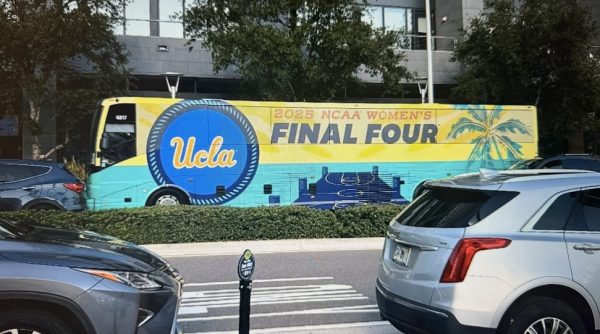
But beneath that excitement is something steadier in its purpose. She wants to step into a profession where women have historically been underrepresented, especially in leadership roles. She hopes to gain confidence from the women who have succeeded in the male-dominated field.
“I think I’ll be able to look back at this conference for the rest of my career,” she said. “If I ever run into something I’m questioning, I can look back at what I learned from people with experience.”
Woods agrees. Her advice to Garcia and to anyone entering the program is simple: soak it all in.
She remembers feeling the same mix of nerves and excitement before she attended the program, and she said the experience ended up shaping her confidence more than she expected. She hopes Garcia will feel that same sense of belonging the moment she walks into the room.
“You’re being given knowledge that a lot of people don’t have access to,” she said. “It shows girls that it’s possible to get into this. It breaks down the barriers.”