






























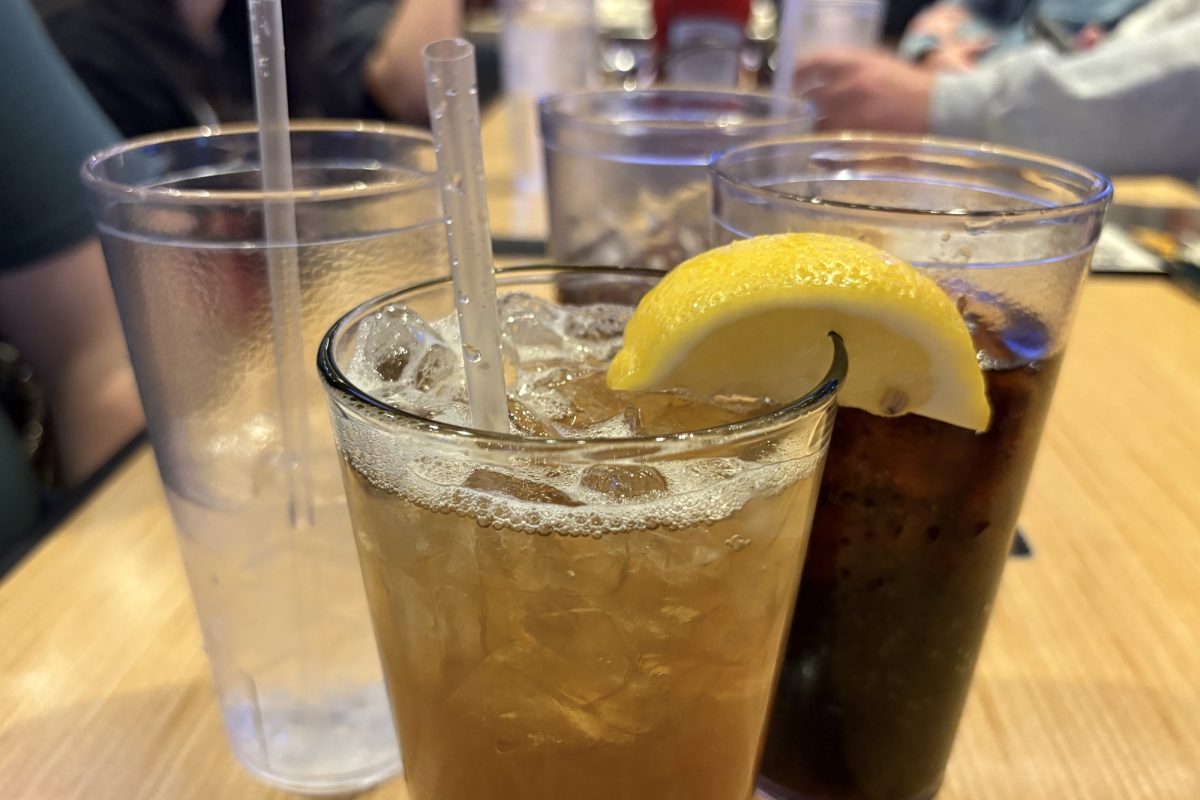
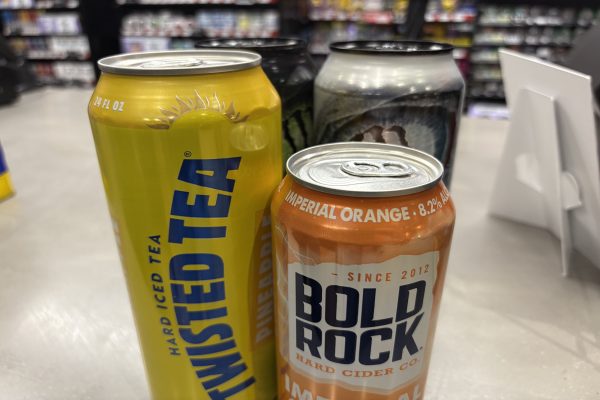
BRIDGEWATER, Va. – It’s five o’clock somewhere. Thank God, it’s Friday. Bad day to be a beer. In the age of Cutwaters, Beatboxes, Buzz Balls and Twisted Teas, it might seem that alcohol has every reason to be a popular pastime for young people.
Despite this, a World Finance report warns that alcohol companies may have to worry about an increasingly sober future led by Gen Z.
Among campus members, there are remaining concerns about the global shift to marijuana and hopes about mindful drinking habits.
Current trends
NIAAA reported an increase in ethanol consumption per capita in the last three decades. According to a 2023 Gallup poll, fewer young adults are drinking regularly, and fewer young adults report overdrinking. According to a World Finance report, young people may be leading global trends toward sobriety.
Alan Eby, psychology professor at Bridgewater College, said that federal agencies have been promoting information demonstrating the dangers of alcohol for years. The data suggests that people are listening.
“It’s encouraging that folks have recognized the problems, just the overwhelming problems there are for health,” Eby said.
The National College Health Assessment (NCHA) states that the percentage of undergraduate students who have ever consumed alcohol is down from 69.4% in 2019 to 58.2% in 2025. That report also states the percentage of students in recovery has increased since 2019.
Katie Seymour, Director of Wellness Education at Bridgewater College, said that Bridgewater students have always been below the national averages of students who drink.
According to Alcohol Help, a resource for those seeking information on healthier drinking habits, social media is a major influence in why Gen Z is the “sober curious” generation, referring to a lifestyle experimenting with more sober habits.
“I would say that the Gen Z’ers have been exposed to more of, ‘If you’re a celebrity, you probably abuse,” Eby said.
The big question, Eby said, is “Are followers following or learning from that?”
“Dry January” is a trend where people give up alcohol for the month of January to examine their drinking habits and improve their health. Seymour said that young people experimenting with things like “Dry January” may be more successful than a cold turkey, “hard stop” approach to sobriety.
The Surgeon General released an advisory about the loneliness epidemic. Seymour suggested that decreased social interaction post-pandemic and rising costs of alcohol may also play a part in the downward trend of alcohol consumption.
“It’s not just alcohol that they’re doing less of,” Seymour said. “They’re also smoking less nicotine and having less sex.”
Despite NCHA data suggesting that undergraduate students are also smoking less tobacco and marijuana than in previous years, Eby said that does not match national trends.
The shift to marijuana
According to the National Center for Drug Abuse Statistics (NCDAS), marijuana use has “surged” in the last decade.
According to Eby, the major hypothesis is that young people are shifting from alcohol to marijuana. He said that marijuana companies have done a “phenomenal job” of convincing people that marijuana is safe.
NCDAS reports that 64% of Americans believe that regular alcohol consumption is more dangerous than regular marijuana use. Sixty-three percent of Americans also believe that tobacco is more harmful than marijuana.
“They advertised tobacco as healthy because it came from a plant,” Eby said. “Guess what they’re doing with marijuana and cannabis?”
NCDAS states that the majority of Americans believe that marijuana can help treat certain health conditions.
“There is no such thing as medical marijuana,” Eby said.
Eby said that beliefs about marijuana, like its supposed pain-killing effects and anxiety reduction, are myths.
“It’s like every single perception of fact regarding cannabis is almost—almost none of it is true,” Eby said.
The remaining dangers of alcohol
“Any consumption of alcohol can increase your risk for several types of cancers,” Seymour said.
“Hopefully, people start recognizing the health impacts because at least seven different cancers are absolutely tied to alcohol,” Eby said. He said it will take years to see statistical improvements on that front.
Eby said he also hopes to see a decrease in the more immediate negative consequences of alcohol like drunk driving deaths, aggression, and related emergency room visits.
Eby said there is, at times, a competitive atmosphere around alcohol. Nate Hermann, swimmer and student at Bridgewater, agreed.
“I’ve been in some situations where there’s been some races,” Hermann said.
Eby said that he had friends who counted each other’s drinks, trying to outdrink each other and ridiculing those who couldn’t “hold their alcohol.”
“That competitive nature, I think, fuels the heavy drinking and the binge drinking instances quite a bit,” Eby said.
Colin Donnely, Bridgewater student, said he cut back his alcohol consumption this year because of social and health reasons. Donnely said he does not have many friends around campus who drink, but he is also mindful of his risk of developing an addiction.
“In my personal and professional opinion, the biggest stigma that ought to be overcome and recognized is the stigma—or call it peer pressure—to consume,” Eby said.
If consuming is normalized, Eby asked, “Can we be counterculture in consumption?” Gen Z’s drinking habits seem to be exploring that idea.